A structured path through sourdough science - from your first starter to confident, climate-aware baking.
This curriculum is designed for home bakers who want to move beyond following recipes to actually understanding their bread. It is appropriate for complete beginners who have never baked bread, as well as for people who have been baking sourdough for a while but still feel uncertain about why things work or fail.
If you have ever wondered why your starter behaves differently in summer versus winter, why your crumb stays dense despite following a recipe exactly, or how altitude affects your proofing time - this program addresses those questions directly.
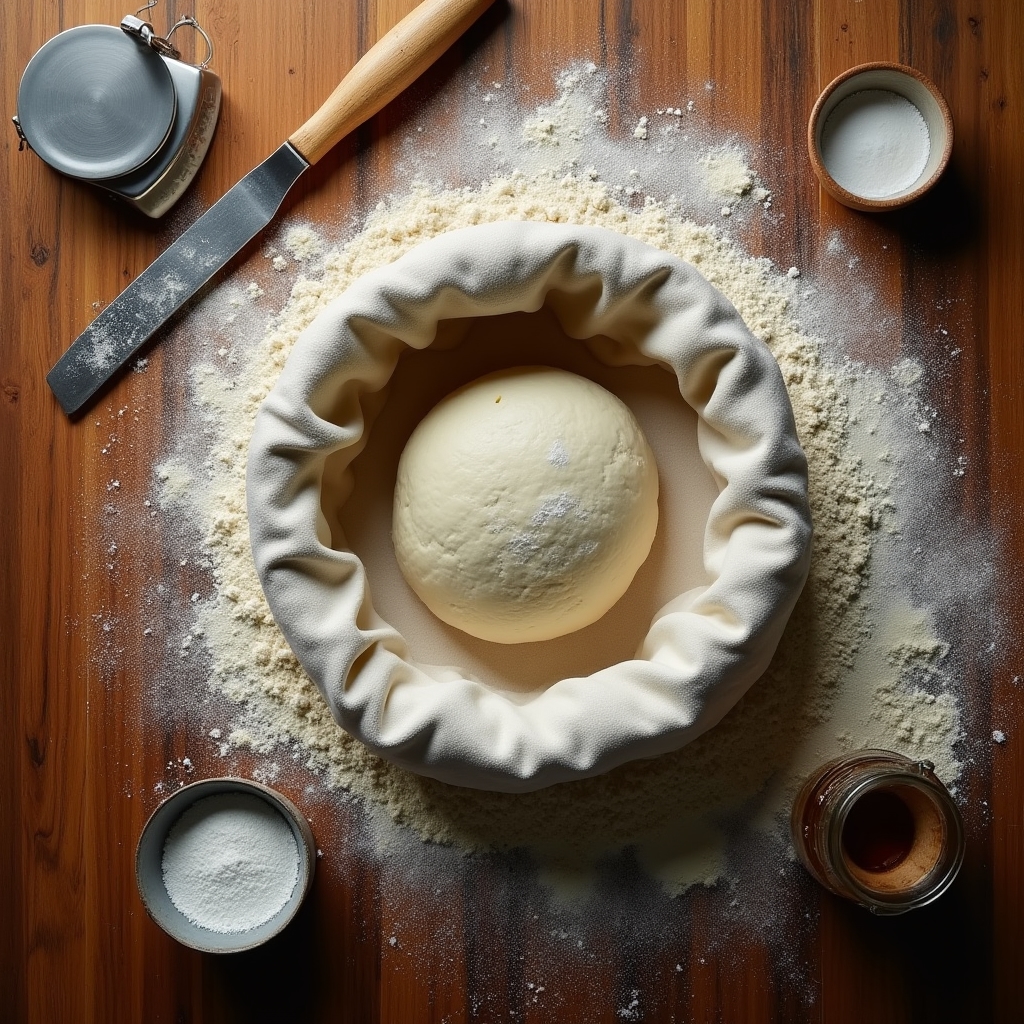
Begin with the foundation - your sourdough culture. Lessons cover wild yeast biology, bacterial populations, how to create a starter from scratch, flour and water chemistry, and how to establish a feeding rhythm that keeps your starter healthy without requiring constant attention.
Ingredients that seem simple carry significant complexity. This module explores protein content in different flours, how water mineral content affects fermentation, why salt timing matters, and how hydration percentages translate to real dough behavior in your hands.
Bulk fermentation is where most of the flavor development and gluten structure building happens. Learn to recognize when it starts, how to manage it, what signs indicate it is progressing well, and how to identify the endpoint regardless of clock time.
Pre-shaping, bench rest, final shaping, banneton proofing and cold retard - each step serves a specific purpose. This module builds physical intuition for dough handling and explains the reasoning behind every technique so you can adapt when your dough behaves unexpectedly.
Scoring, steam, Dutch oven technique, temperature management and the post-bake rest. The final stage requires its own set of decisions. Understand oven spring mechanics, why steam matters in the first phase of baking, and how to read the finished crust for diagnostic information.
The final module ties everything together through the lens of your specific environment. Detailed guidance for humid, arid, high-altitude and cold-climate baking. Learn what to adjust, by how much, and why - so you can apply these principles even when conditions change seasonally.
Fill out this form to receive program details, curriculum information, and enrollment options. We will follow up with relevant information about the curriculum and how to access it.