

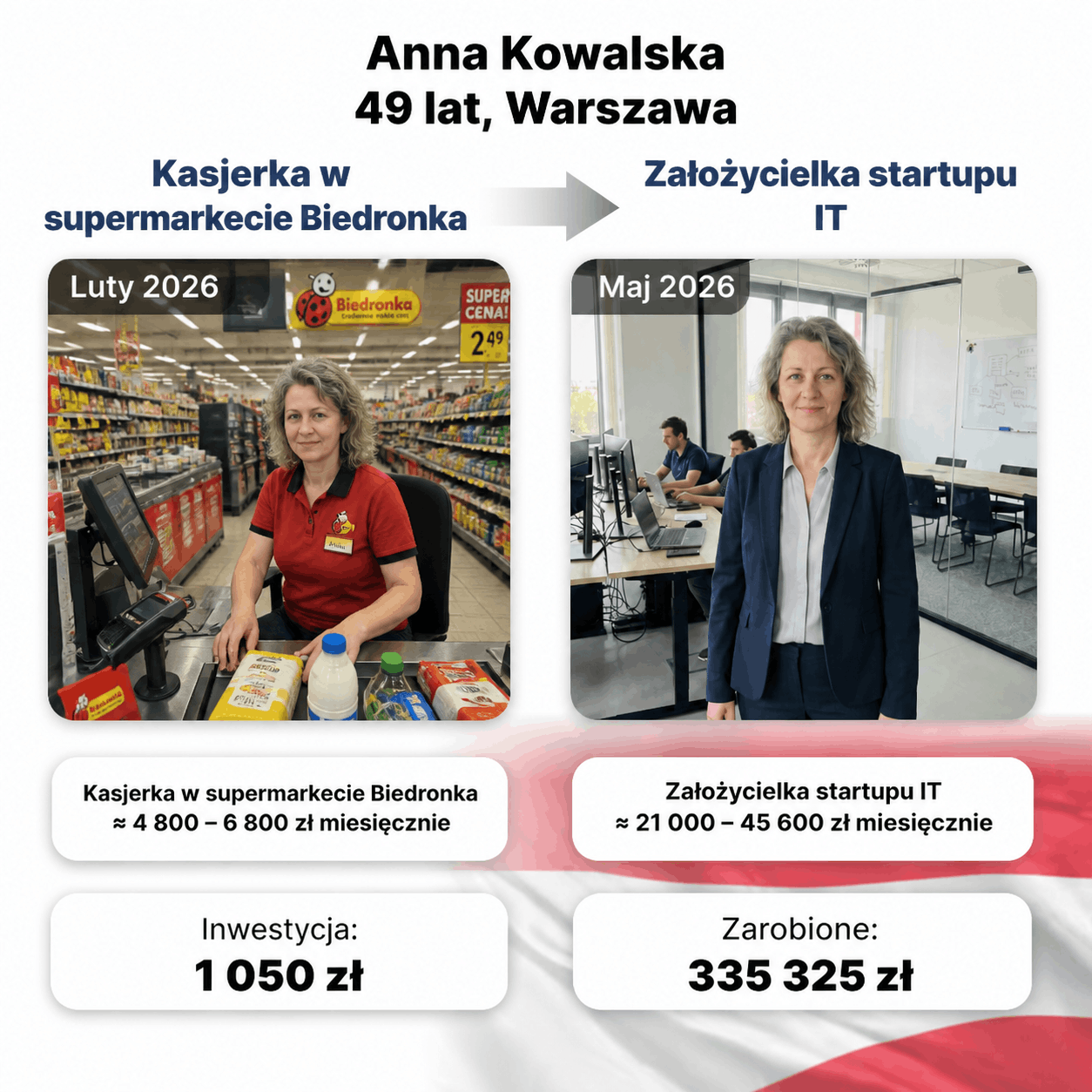
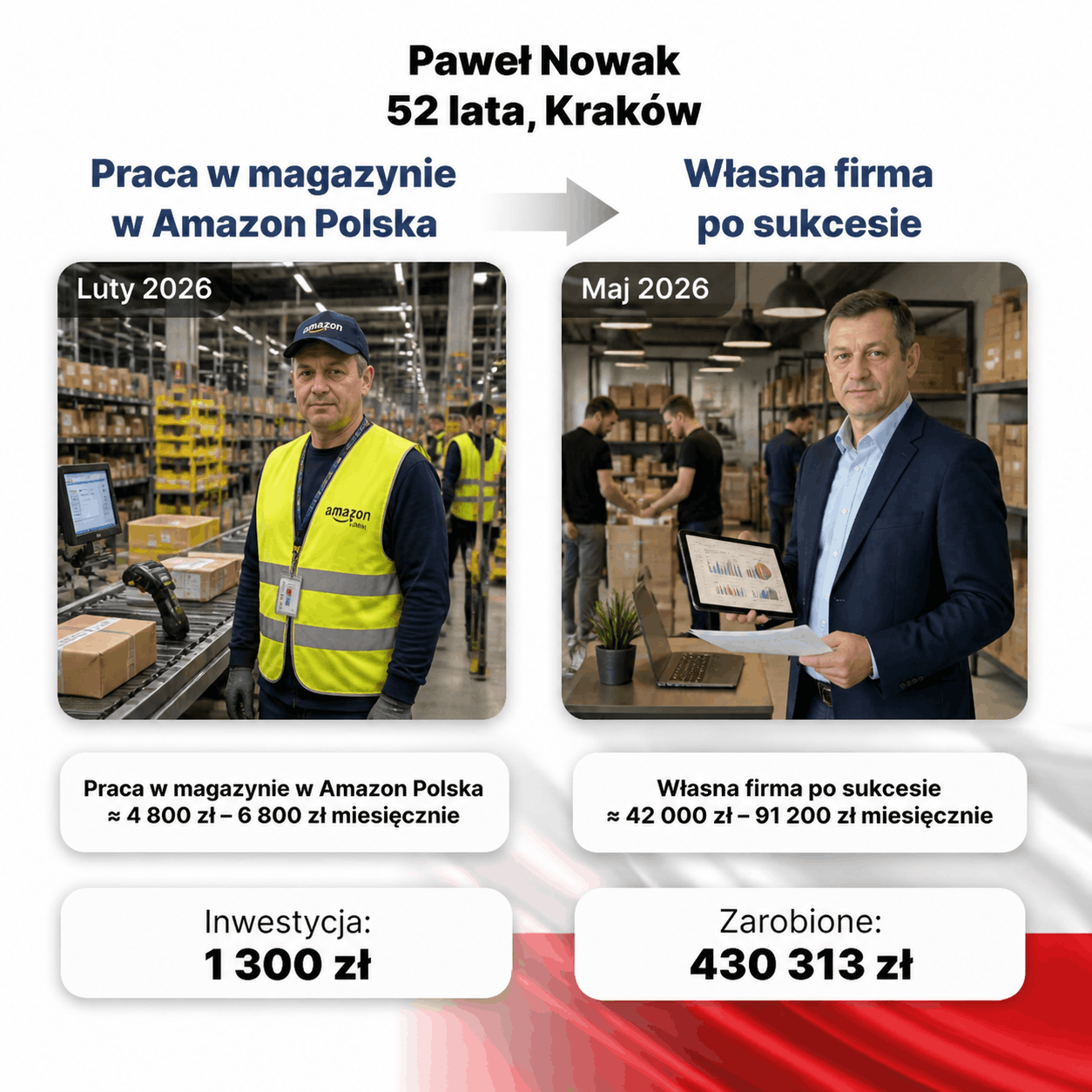
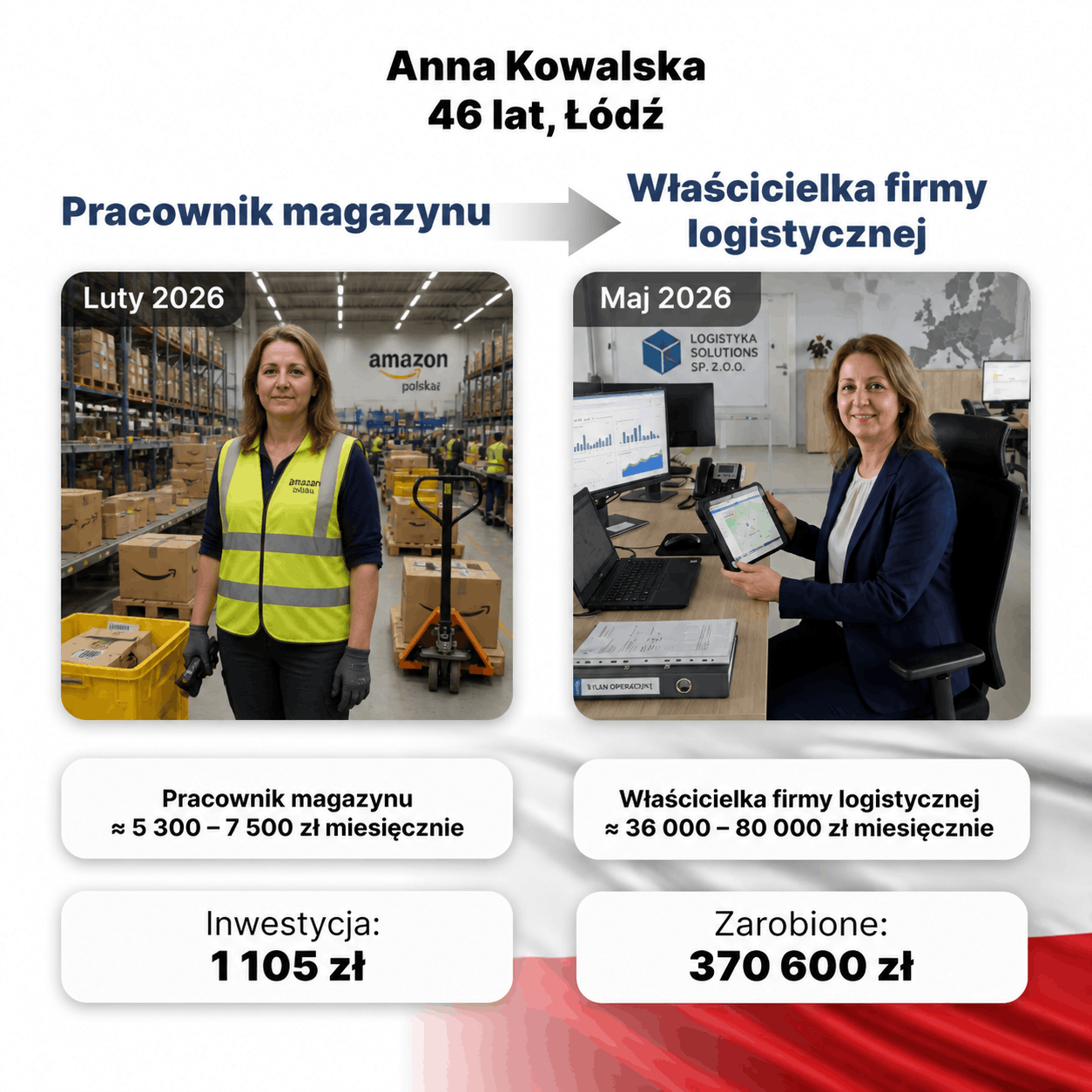
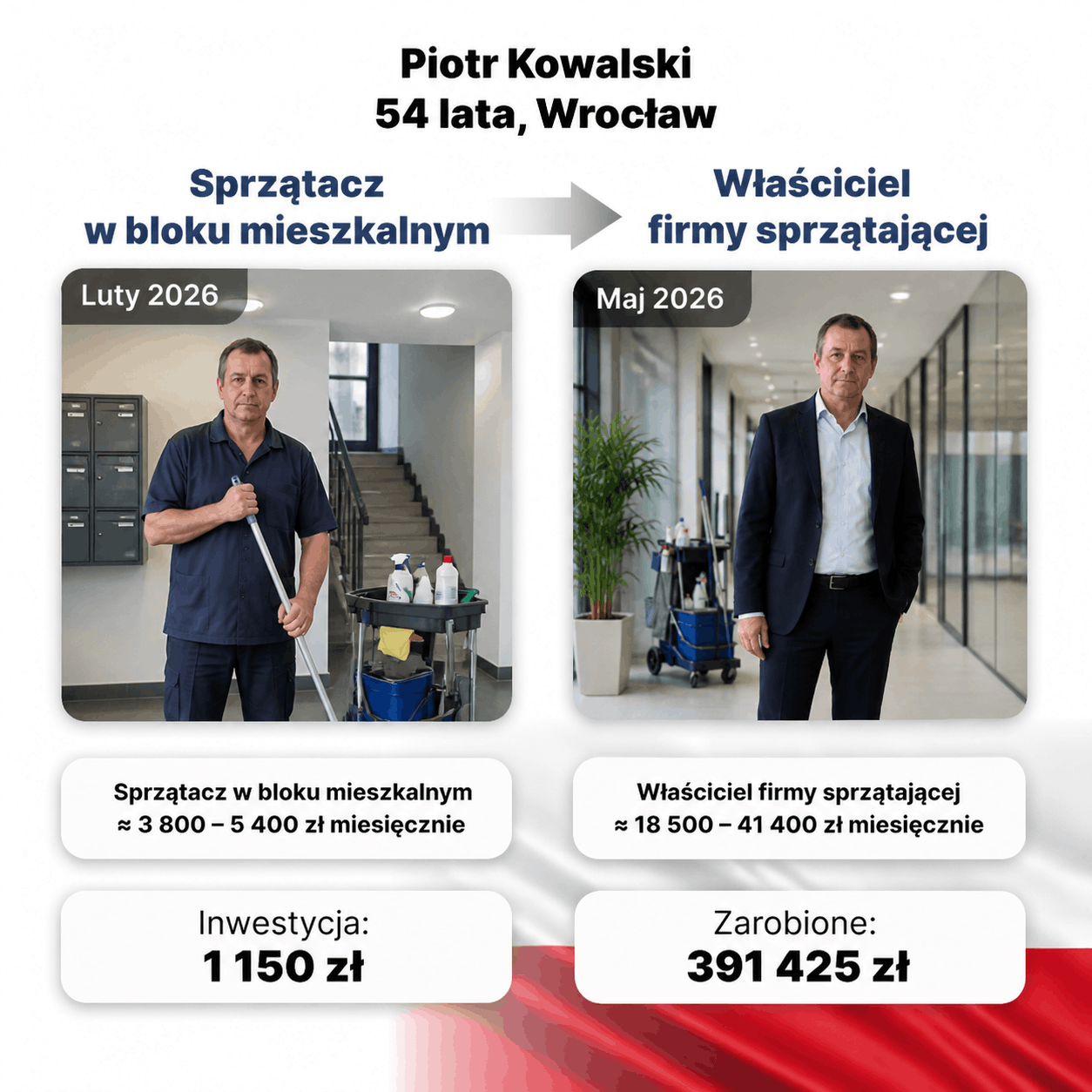
Jak działa program:
KapitałPlus to internetowa platforma do handlu, która wykorzystuje zaawansowane algorytmy sztucznej inteligencji do wyszukiwania i realizacji najbardziej opłacalnych transakcji na giełdzie. Używając najnowszych algorytmów, program automatycznie kontroluje proces handlu, redukując tym samym potrzebę Twojej ingerencji i kontroli . Dzięki temu możesz kontynuować normalne życie, podczas gdy platforma generuje dla Ciebie dochód pasywny .
Dla kogo jest przeznaczony?
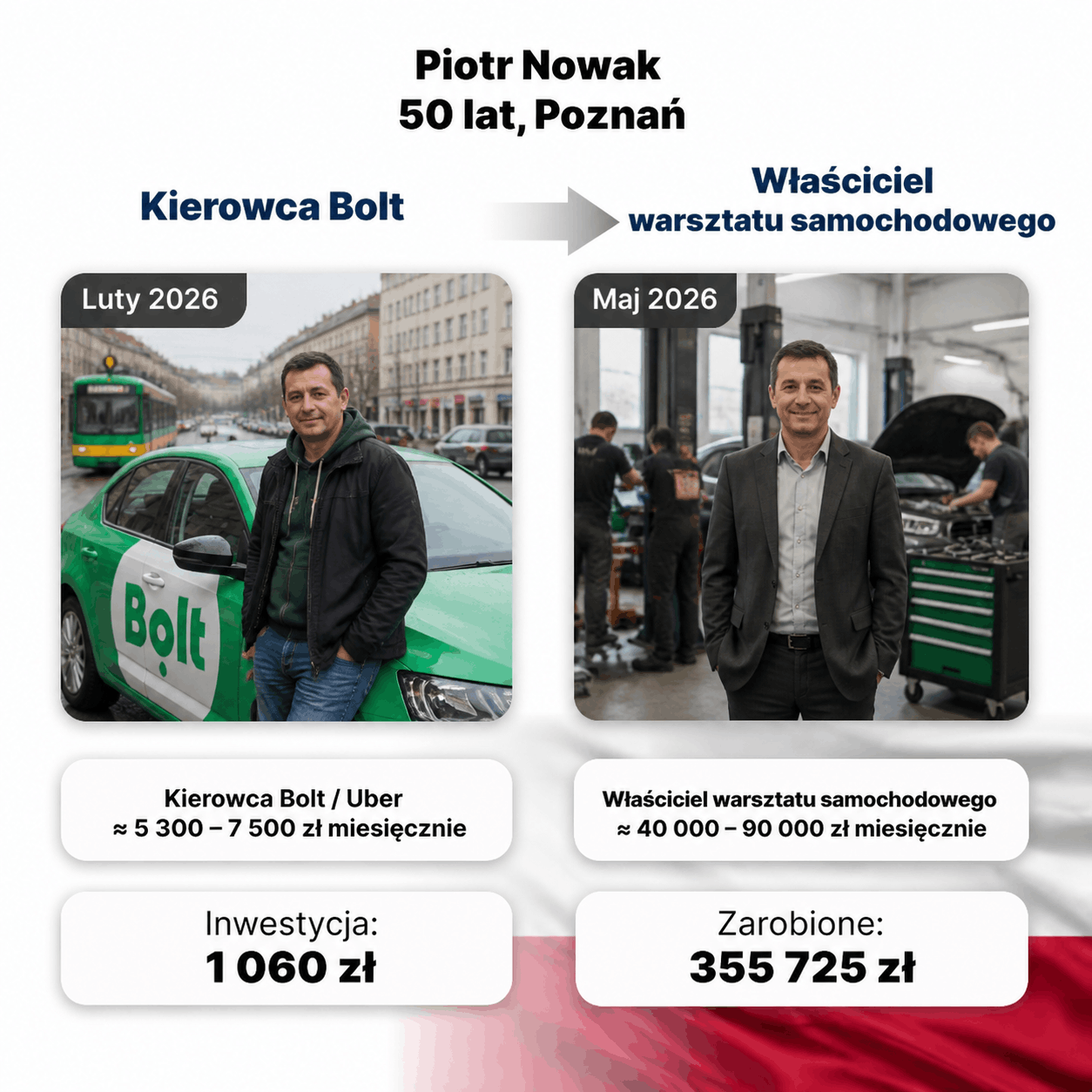
Program jest zaprojektowany tak, aby nie wymagać żadnego doświadczenia ani wiedzy — algorytm handlowy oparty na AI dosłownie robi wszystko za Ciebie. Czy jesteś lekarzem, taksówkarzem, sprzedawcą, gospodynią domową czy nawet emeryt/ką – ta platforma jest właśnie dla Ciebie.
Nie musisz się martwić ani czuć niepewnie, jeśli nie masz doświadczenia lub nie opanowałeś nowoczesnych technologii. Specjaliści firmy są gotowi Ci pomóc i są dostępni 24 godziny na dobę.
Karol Navrotskyi przedstawił projekt KapitałPlus

Projekt można uznać za 100% wiarygodny, ponieważ jest wspierany przez rządowy system ochrony depozytów , co oznacza, że kwalifikowane depozyty są chronione przez Bank PKO BP . Działa również zgodnie z przepisami nadzorowanymi przez Komisję Nadzoru Finansowego (KNF) , potwierdzając zgodność z polskimi standardami finansowymi.
Tym samym uczestnicy nie są narażeni na ryzyko i mogą w każdej chwili wypłacić swoje inwestycje i zyski.
Dostępny dla każdego!
Dzięki napływowi znacznych inwestycji w
projekt
, deweloperzy zdecydowali się obniżyć minimalną kwotę inwestycji z
4 250 zł
do
1 050 zł
. Projekt jest teraz dostępny dla wszystkich mieszkańców Polski.
Model biznesowy programu:
Nasuwa się pytanie: jeśli kwantowa sztuczna inteligencja może tak szybko zarabiać pieniądze dla użytkowników, jaki jest model biznesowy tego oprogramowania?
Odpowiedź jest prosta: KapitałPlus pobiera prowizję w wysokości 3 procent od zarobków każdego uczestnika. Oznacza to, że dochód zespołu KapitałPlus zależy bezpośrednio od tego, ile zarabiają użytkownicy. Platforma dokłada więc wszelkich starań, aby pomóc inwestorom zmaksymalizować swoją rentowność.
Obniżając minimalny depozyt do 1 050 zł , platforma stała się dostępna dla polskich mieszkańców niezależnie od ich sytuacji finansowej. W ciągu ostatnich kilku dni ponad 50 000 osób w całej Polsce po raz pierwszy zaczęło zarabiać online, inwestując w kwantową sztuczną inteligencję.
Aby dołączyć do programu, zarejestruj się jak najszybciej i nie przegap połączenia od specjalistów firmy, ponieważ liczba miejsc jest ograniczona .
76 KOMENTARZE